Why and how to make elephant grass silage
It was a dry spring and early summer in many parts of central England during 2025. The ground was baked and the grass reduced to a withered brown carpet. It was reminiscent of 2022, or even more like 1976 if you’re a more mature reader, but is it a sign of what’s to come or just another “one off year”. The climate scientists tell us to expect our weather to change, but there doesn’t seem to be much consensus about what form that change will take. Some suggest hot and dry whilst others insist it’s more likely to be mild and wet. Maybe it is both, who knows? But what we do know is that change is the new normal.
What does climate change mean for silage making?
The fundamentals of making silage remain the same, but maybe it is time to consider what we are making silage from. For many years silage making in much of Great Britain meant ensiling grass because maize was unreliable in anything but the sheltered southern counties. Plant breeding and climate changes have allowed growers to rely more and more on maize in the higher latitudes but this year has even caught out some maize crops. Because although maize really thrives in higher temperatures and high solar indices, it remains a thirsty crop and one that’s often irrigated to meet its potential in many parts of the world.
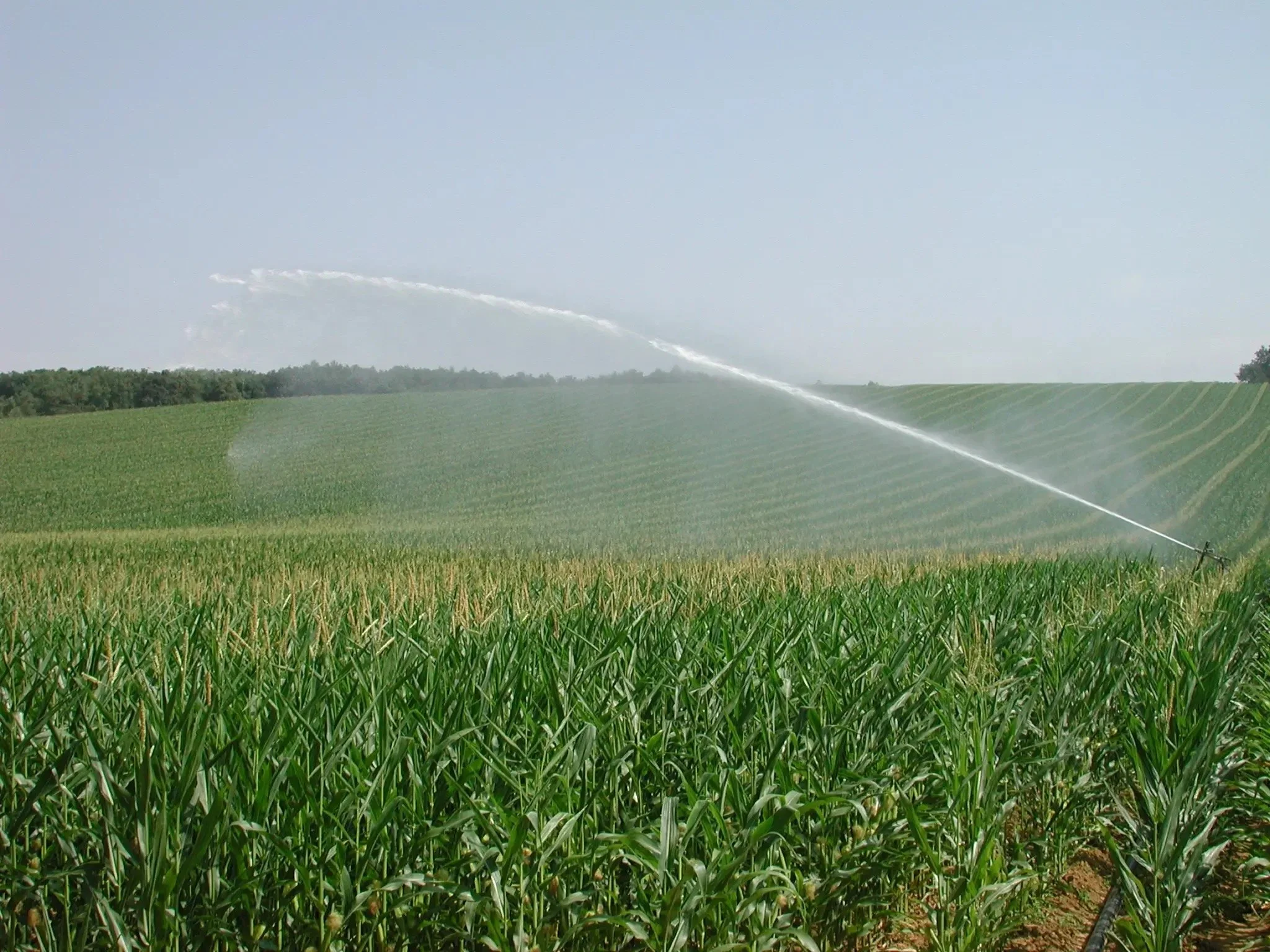
Irrigating maize is common in Europe
Back in the UK, currently irrigation is common for potatoes and other high value crops but it is often considered uneconomic for a simple forage crop like maize. So that begs the question, in a changing climate where dry conditions mean that grass and maize crops are struggling, what else can you grow to make silage?
What crops can you make silage from?
It is a question that I’m asked with increasing regularity, because many producers are staring at empty silage clamps, shrivelled crops and listening to pessimistic forecasts, and they are getting increasingly desperate. There is no silver bullet here because many of the possible solutions need to be mid to long term. Assuming that you still want to rely on forage for a significant component of the diet, then maybe it’s time to consider alternatives to grass and maize. And there are some good options to consider, we just need to look at parts of the world where farmers regularly face the sort of growing conditions that we might expect to see here.
What forage crops thrive in drought conditions?
Grasses are very varied in their growing habits and preferences and they are also great biomass producers so maybe there is still mileage in growing grass? Grass, yes, but not maybe as you know it; less ryegrass and more elephant grass! When I was a boy elephant grass (or Napier grass) was a thing of mystery and myth, but today in the UK it’s more biomass and power station fuel than cow chow. Napier grass is grown all over the world for all sorts of uses and whilst we grow Miscanthus (another version of elephant grass) as a carbon neutral fuel source, many farmers grow a hybrid version to feed livestock in more temperate parts of the globe.
Can you make silage out of elephant grass?
Yes you certainly can, but just like maize or rye grass, to make good silage you need to know what you are doing and pay attention to the details. To be honest you can make silage out of a huge variety of plant materials but you need to apply the basic fundamental biochemistry rules to make sure you get silage and not compost! In fact these rules apply to every type of forage and whilst I am concentrating on elephant grass here, the same rules hold true whatever crop you’re trying to make into silage.
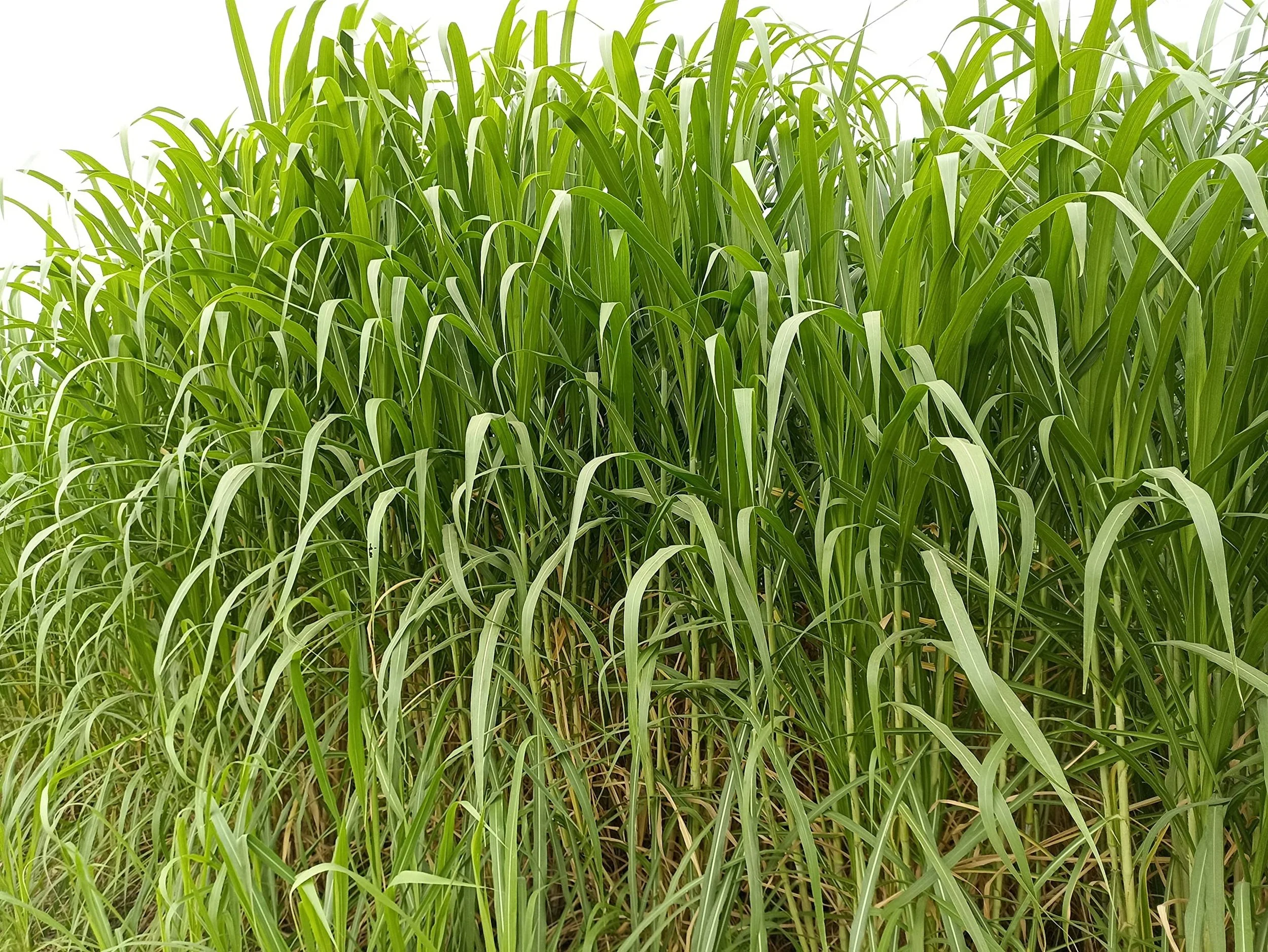
Super hybrid Napier grass grown for silage
You need a couple of key components to make silage, a carbohydrate source, like sugar, and some acid producing bacteria to use this energy source to produce preserving acid. Combine these two in a suitable environment and you will produce silage. You just need to understand the plant characteristics to make sure you have the correct ingredients to make good silage. Hybrid Napier grass is high in carbohydrates during certain points in its growth stages but it’s also very low in dry matter in the “immature growth stage”. As I have explored elsewhere, wet silage is poor silage so you need to make sure the dry matter is correct at harvest - target 30-32% DM.
Cutting silage at the correct dry matter
It is critical to avoid dry matter being too low in elephant grass, but it’s also really important that you don’t miss the optimal window and cut too late because the crop matures very quickly at this stage and it can quickly become very fibrous. A crop that is cut “too late” will struggle to provide enough sugars for the bacteria to “convert” into lactic acids. There are ways around this problem by either adding a sugar source like molasses or adding some enzymes that can break down the lignin and make it available for the bacteria. But whilst this might well make you enough acid to preserve the crop, the fibrous nature makes the silage very vulnerable to aerobic instability once the clamp is opened. So it’s far more efficient to cut the crop at the correct dry matter percentage.
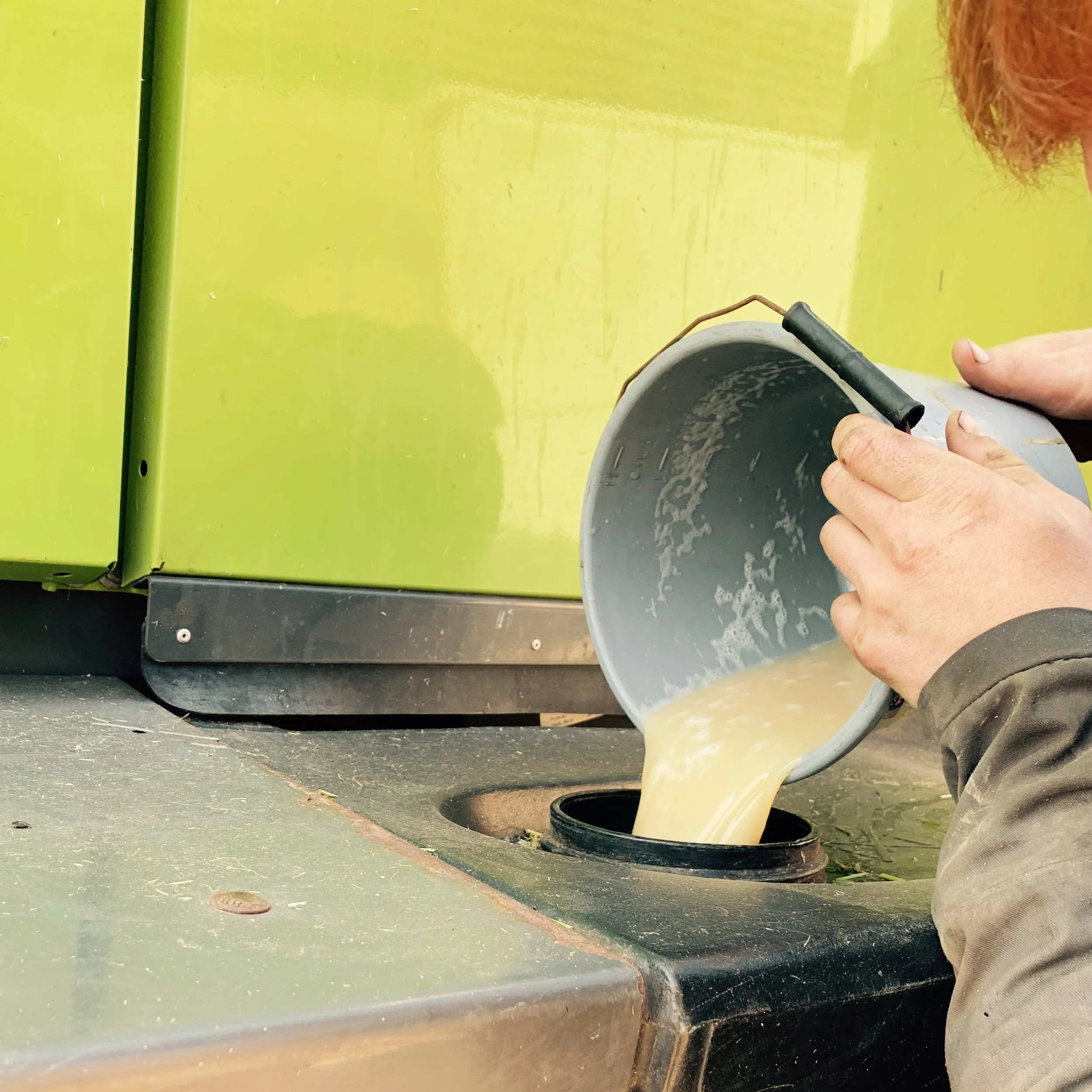
Using bacterial inoculant on silage
Should I use a silage inoculant with elephant grass?
There are various different reasons why you might be keen to use an inoculant on forage for silage, and some good reasons why you might not. For me, if you’re trying to make silage from elephant grass in the UK then I would always recommend using an inoculant. That’s simply because we don’t have enough knowledge about this crop when used for silage. With rye grass and maize, we already know that there is usually sufficient naturally occurring bacteria in the environment to produce a decent fermentation. But for elephant grass we are breaking new ground so I would always recommend an inoculant if only as an insurance policy.
How do you harvest elephant grass for silage?
Harvesting will really depend on the dry matter levels because this crop changes quickly. Think of it more like whole crop than grass when it comes to harvest. Yes you can mow and wilt it, but if you wait a couple of days it will probably be fit for direct cutting. And if you are going to direct cut it, you might well be better off with a “small drum” maize header than a disc cut whole crop header due to the volume of crop you are dealing with. Something like a Kemper 300 series header that’s row independent with small drums seems to do a good job of presenting the crop to the cutter head.
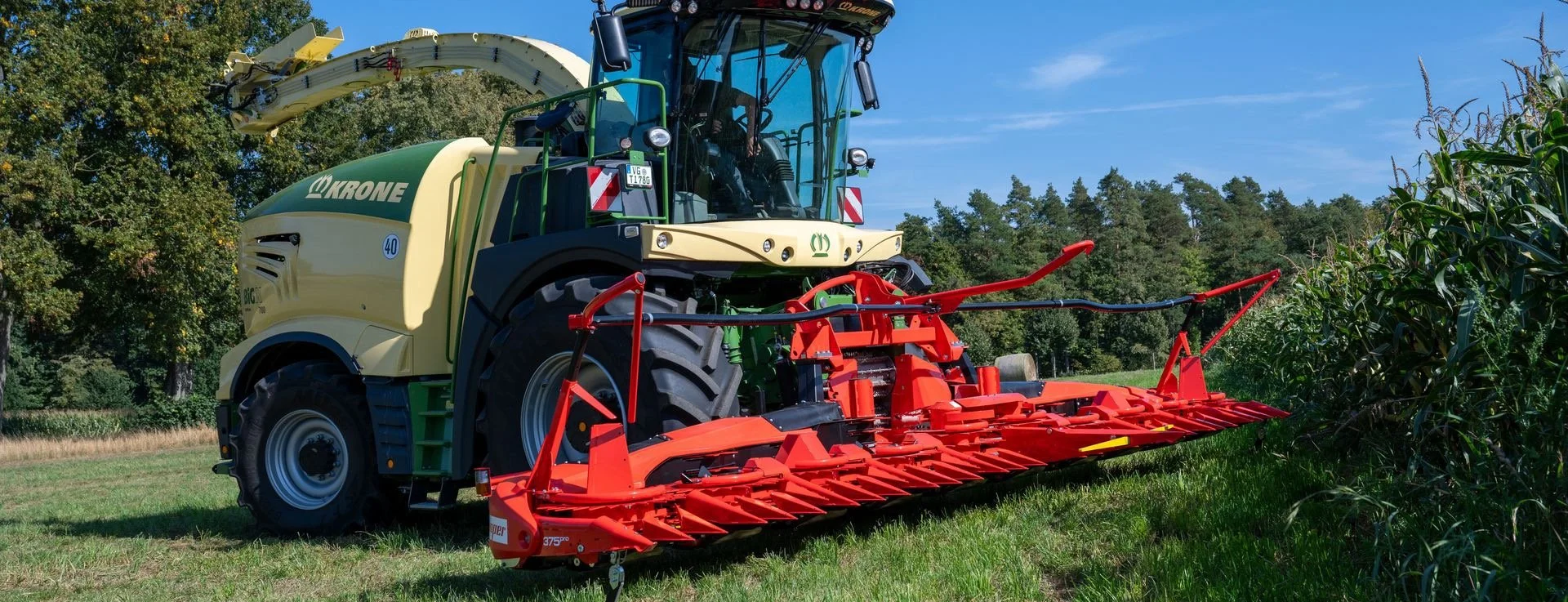
Kemper 300 series headers are suitable for elephant grass
Make sure the chop length is suitable for the dry matter percentage and compact the clamp really well if the dry matter is above 33-34% level. Maybe use a compactor or set of train wheels to minimise the risk of aerobic instability.
Analysing silage made from elephant grass
This isn’t going to be straight forward because most analysts providers use a NIR sensor to “read” the crop. But this technique needs a “map” to compare the light refraction results against some known values. At the time of writing, these maps are not common place in the UK so you’re going to have to find a lab that can do a wet chemistry analysis on your silage. These labs are available but they might need a bit of searching out. Other than this, making elephant grass silage is just like making any other sort of silage.
If you want to discuss making silage from elephant grass or would like to discuss any other aspects covered in this series, contact me at jeremy@silageconsultant.co.uk