How to keep a silage clamp safe
Safety culture is spreading throughout every aspect of our lives, and whilst old chuffers like me might moan about it, this is a good thing. Those industries that had the worst records are cleaning up their acts and becoming safer places to work. Agriculture is the one place where we have yet to fully embrace this change but be in no doubt, that change is coming. And if you think you can just hang on until the inspectors finally turn up and get their boots dirty, let me warn you that this might not be your best policy. Because the safety world would like to make some examples of people to get their point home - so inevitably some poor souls are going to feel the full force of the law instead of a gentle warning. But before you engage in detailed discussions with a specialist safety consultant, here are some of my thoughts.
How to make your silage safer?
Silage making is inherently dangerous whether it’s in bales, bags or clamps but in this piece I am going to look at working at height on the clamp to uncover the silage because this is one area that is very hard to control the risk. The work location is high above an unforgiving floor slab, with a slippy surface strewn with trip hazards close to an unprotected edge. But the real problem is a conflict of interests because you want to keep as much of the silage sealed for as long as possible when the safer way would be to have much more of the clamp uncovered. So how do you safely uncover the silage on top of a 6m high forage cliff face?
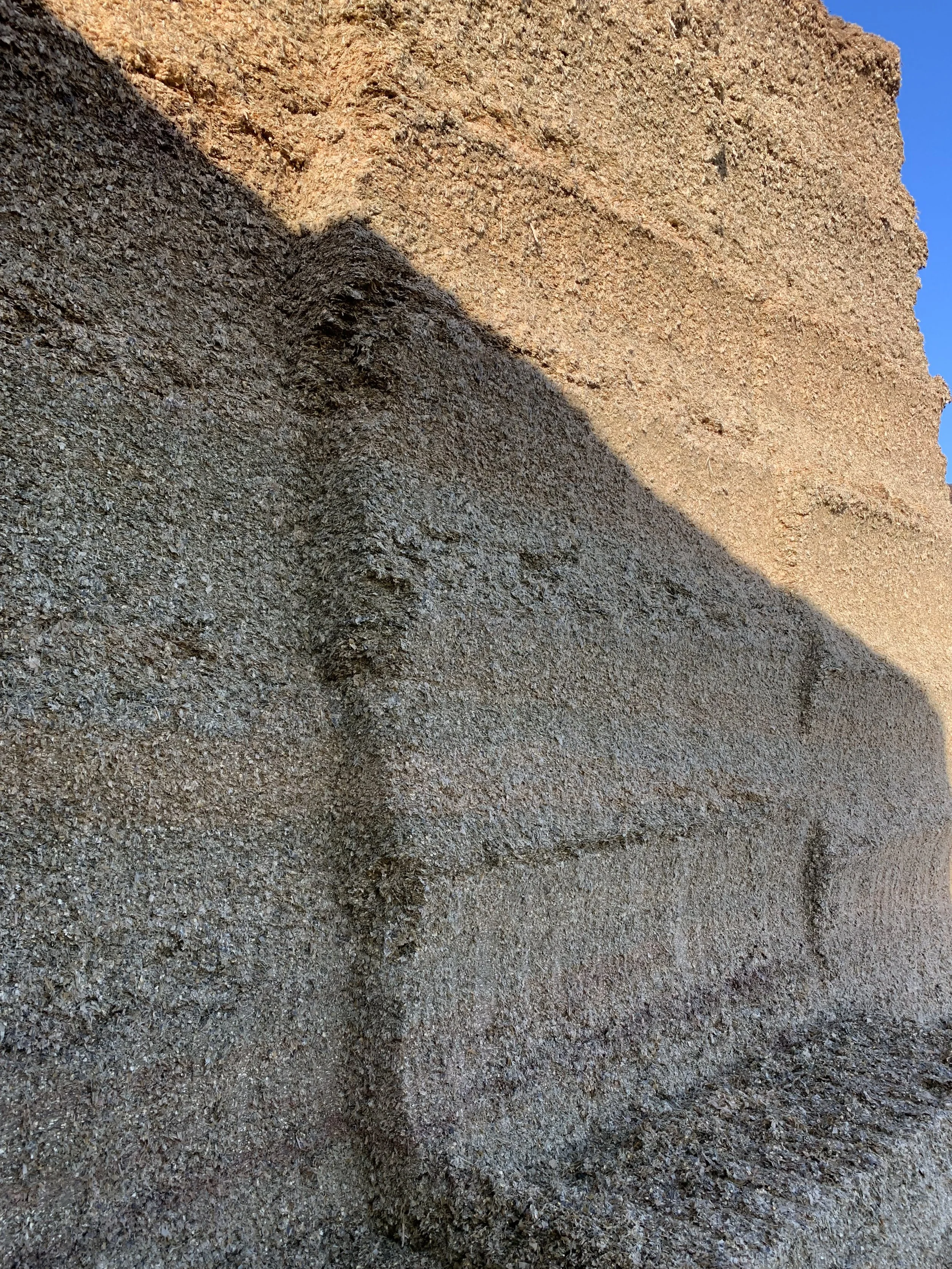
The yellow cliffs of silage
The fundamentals of risk management suggest you should design out, or eliminate the risk if at all possible. Now in my book it is not financially possible to remove the requirement to uncover the silage because as I explored previously, you really do need to sheet the silage. So if you have to roll back the sheets, then you have one of two options. Firstly you could work so far back as to avoid working near the leading edge but this leaves maybe six meters of silage exposed to the weather and wastage. Clearly this doesn’t comply with good clamp practice so what other choices do you have?
Well secondly you could consider a mechanical system that removes the requirement for people to be on top of the silage at all. Whilst this might be a great solution, there are limitations on clamp width so it might not suit everyone.
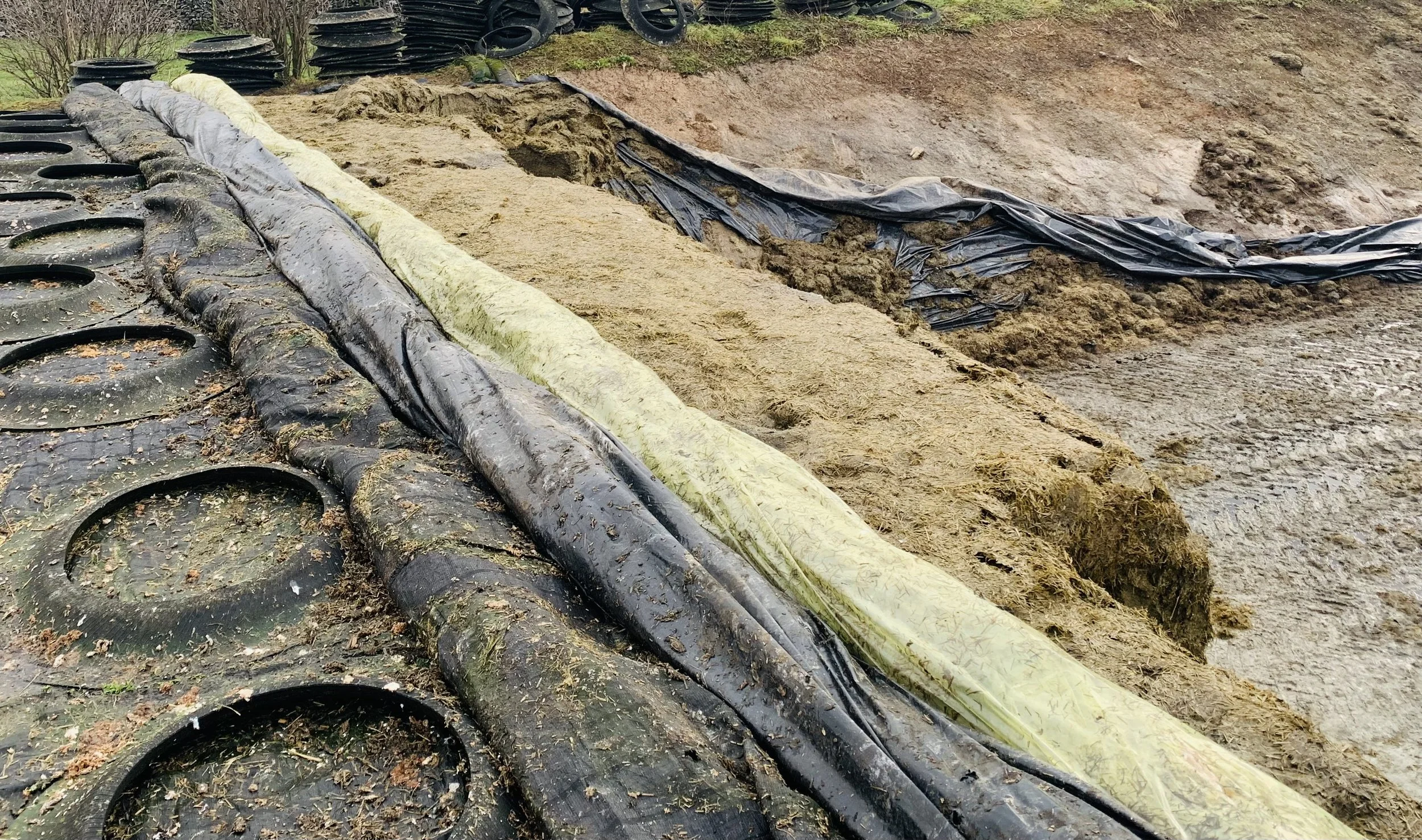
How to be safe on top of a silage clamp.
So if you can’t practically remove the need for someone to work in this risky location, how can you keep them (or yourself) safe? Traditionally the solution to working at heights has been found in the MEWP - or Mobile Elevated Working Platform, usually known as a cherry picker or scissor lift. But whilst these machines get you off the ground safely, they are not going to allow you to roll back a silage sheet where you need to actually work on the sheet. So what we need to provide is some sort of leading edge protection system - or more accurately receding edge protection.
Well there are plenty of systems that have been developed for the construction industry so maybe something like this could help. You may be familiar with safety nets that are commonly used to protect workers installing roof sheets on buildings but these are not really going to be sensible in this situation. A more common solution in the lower height fall category is airbags. Now these look very inviting to bounce into and the kids might be very keen to help you roll back the sheets if they get to bounce. But seriously is anyone really going to invest in a set of airbags, set them out and blow them up every time the sheet needs to roll back a half metre? And then put it all away again before you can start feeding silage - I very much doubt it.
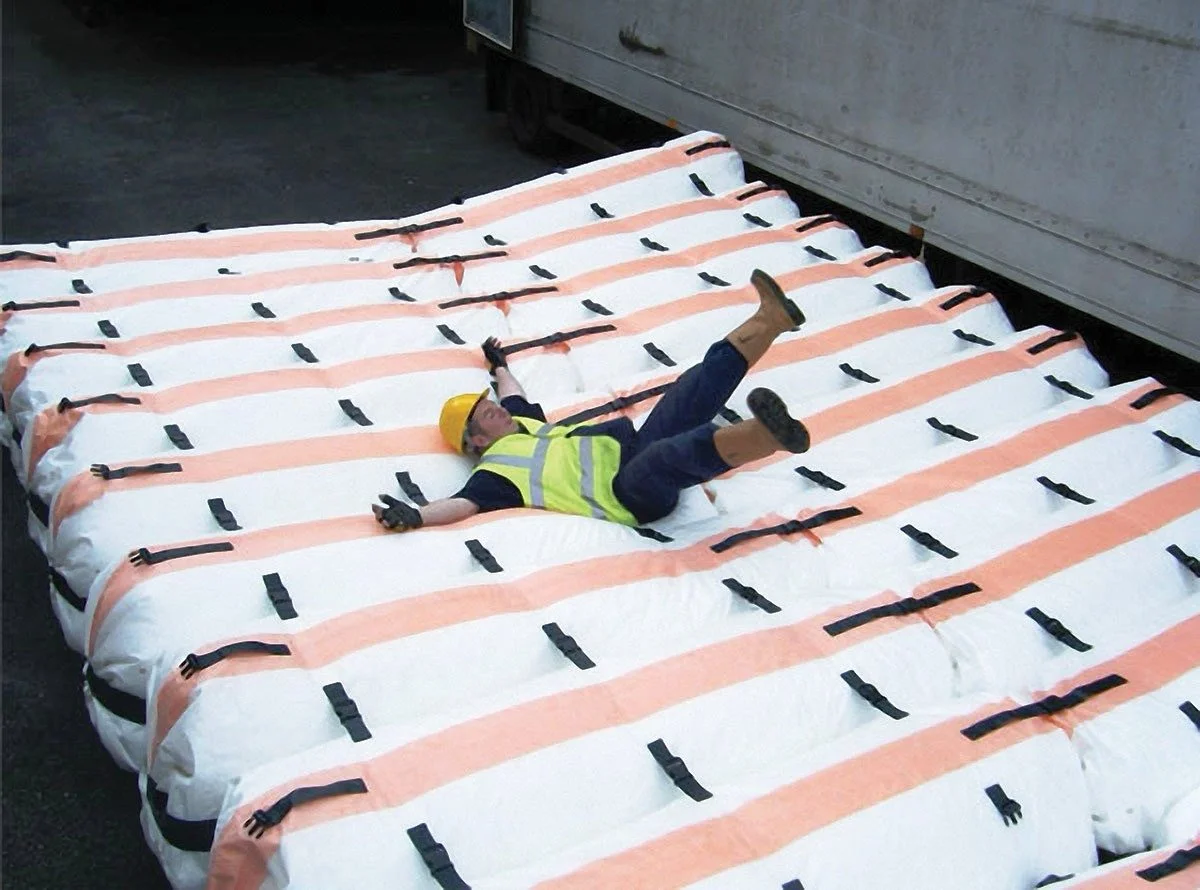
Airbags are great for a building site, but might not be suited to a silage clamp
Fall arrest systems for silage clamps.
Now a fall arrest system offers a bit more flexibility. There are two basic types, the lanyard and the inertia real systems. Both solutions require the operators to be harnessed up but then that’s not a major hardship. A lanyard is then clipped to the harness and the other end attached to something secure. In a silage clamp its possible to clip a wire between the safety rail posts on each side wall that stretches across the full width of the clamp. A sliding carabiner can then allow the operator to work across the full width of the silage clamp within a set distance of the edge. If the silage face were to slip or collapse then the poor individual is left dangling but whilst cross, hopefully unscathed.
An inertia reel system works in a similar way but just like an inertia reel seatbelt, it allows free movement at low speed whilst locking in the event of a fall. This type of system is more suited to a fixed point anchor rather than a sliding carabiner and might be less suitable to a silage clamp. These fixed point anchors are also prone to leaving someone swinging like a conker on a string when it all goes wrong.
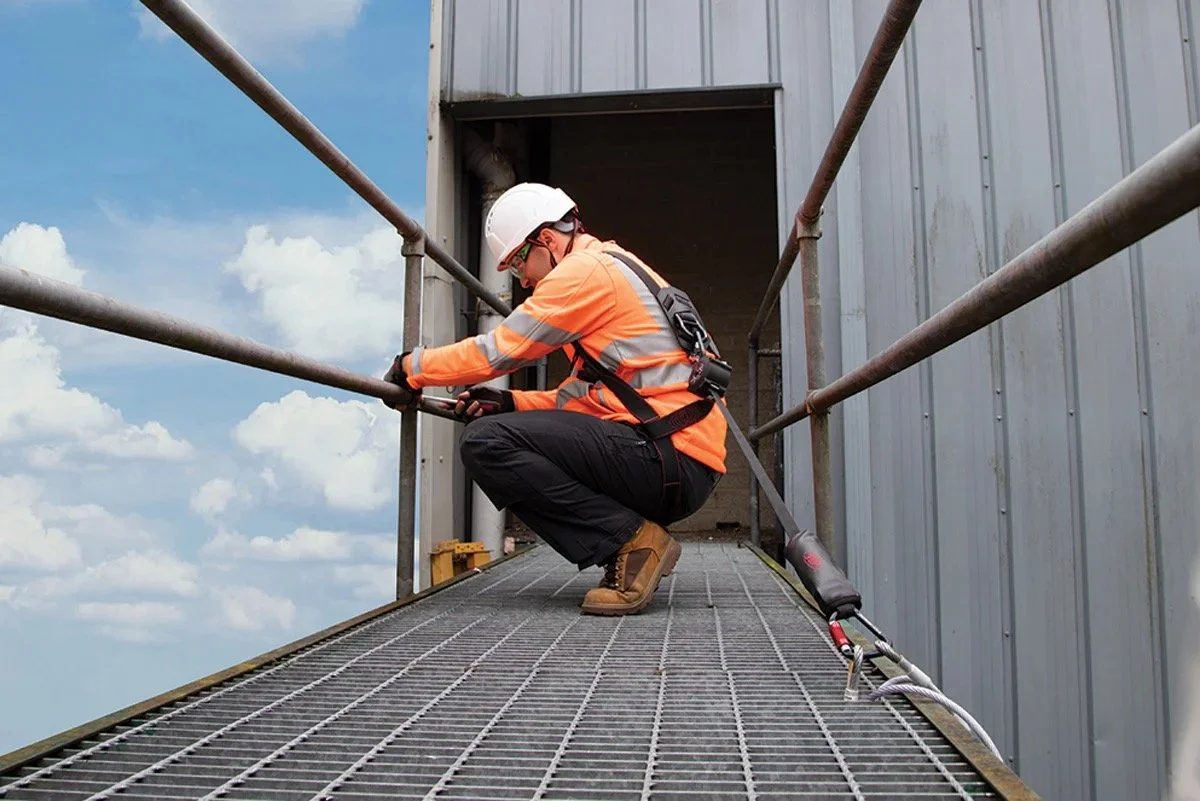
Inertia reel fall arrestor by Start Safety
Avoid working alone on the silage clamp
Which brings me on the one of the most important aspects of clamp safety, working alone. Because even if you have a fine edge protection system, who comes to get you down when you’re dangling up there in the breeze with the harness cutting into your unmentionables like a cheese wire for hours on end? So avoid working on the clamp on your own and make sure there is someone to help you if you get in to trouble.
Now if you’re going to work as a team, then there is a better way. One of the things you really need to consider is how you get someone on and off the top of the silage safety and this really does need two people. We all know ladders just smell of hospital so they are best avoided in my opinion. To safely gain access to clamps without gantry systems, a telehandler equipped with a “man basket” can certainly feel like the safest option. And whilst the telehandler is there, why not use it to provide some leading edge barriers. Fitting the basket with some sliding scaffold tubes that extend to give you a 8-9m wide barrier is quite straight forward. This can then be repositioned as you work across the clamp by the “ground crew”.
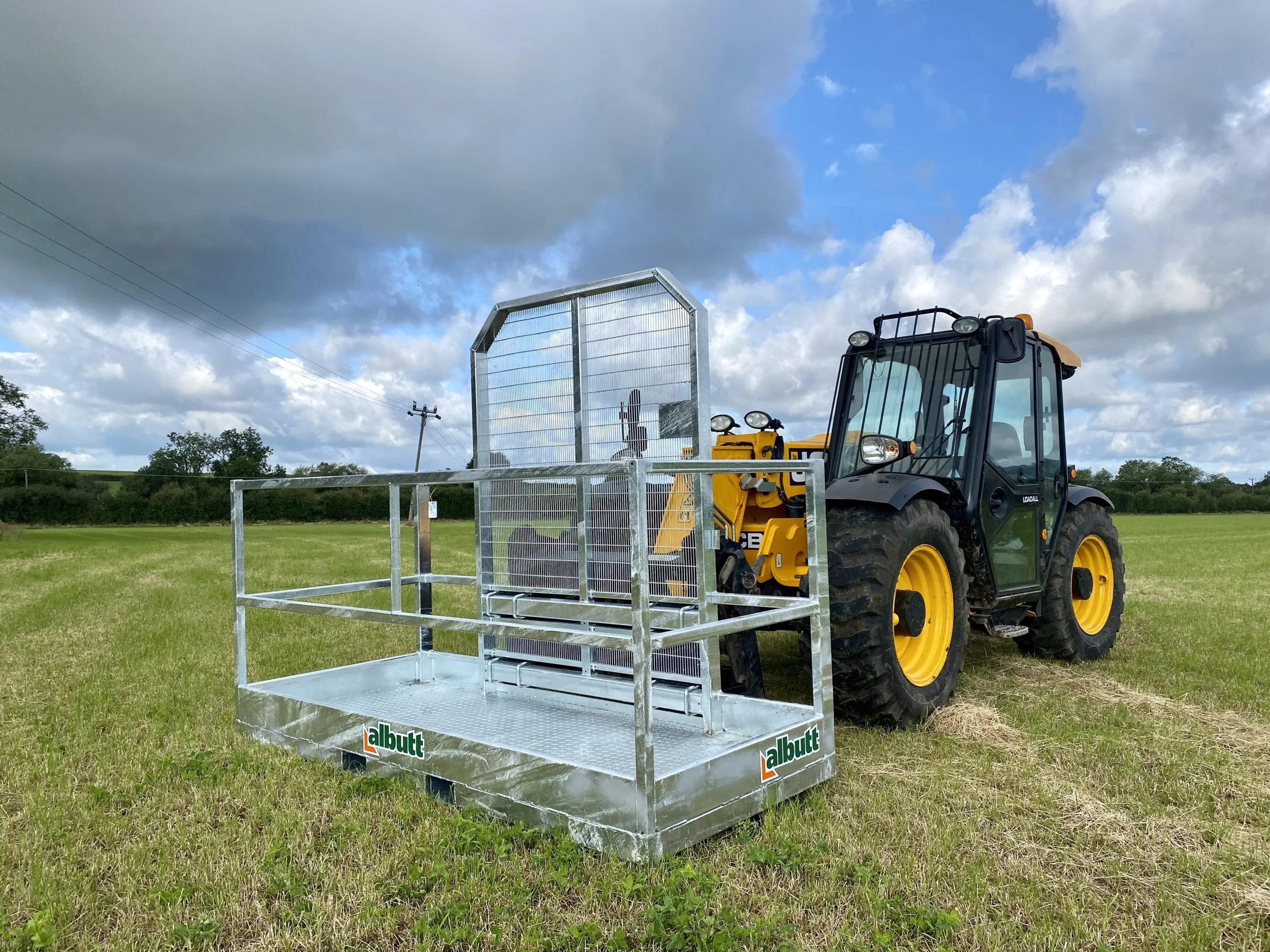
Albutt access platform attachment
Obviously this solution requires good cooperation and communication between the people on the sheet and those on the floor, so maybe don’t choose your brother if you’ve had a recent falling out. But working as a team, this might be the easiest and safest way to operate a clamp safely whilst not compromising the silage quality it contains.
If you want to discuss operating your silage clamps or any other aspects covered in this series, contact me at jeremy@silageconsultant.co.uk