Best asphalt for a silage clamp floor
Asphalt or tarmac is increasing becoming the material of choice for big silage clamp floors. It can be a cheaper overall cost and it is much easier to construct a tarmac floor that meets the SSAFO regulations than a concrete one. But many people have had bad experiences with asphalt silo floors and others are worried by the thoughts of melting roads and tramline motorway lanes. So perhaps it is inevitable that this leads to the question about what sort of asphalt should you use for a silage clamp floor, and what the differences between each type?
Not all tarmac is the same.
Just like there are different sorts and types of concrete, there are loads of different sorts of tarmac or asphalt. To the layman, it’s just black stuff isn’t it, so just how different can it be? Well it’s very different and there are really good reasons why you need to use the right stuff for a silage clamp floor. Asphalt is made up of two main components, bitumen and aggregate. There will then also be some admixtures and fillers but we will get to those in a little while.
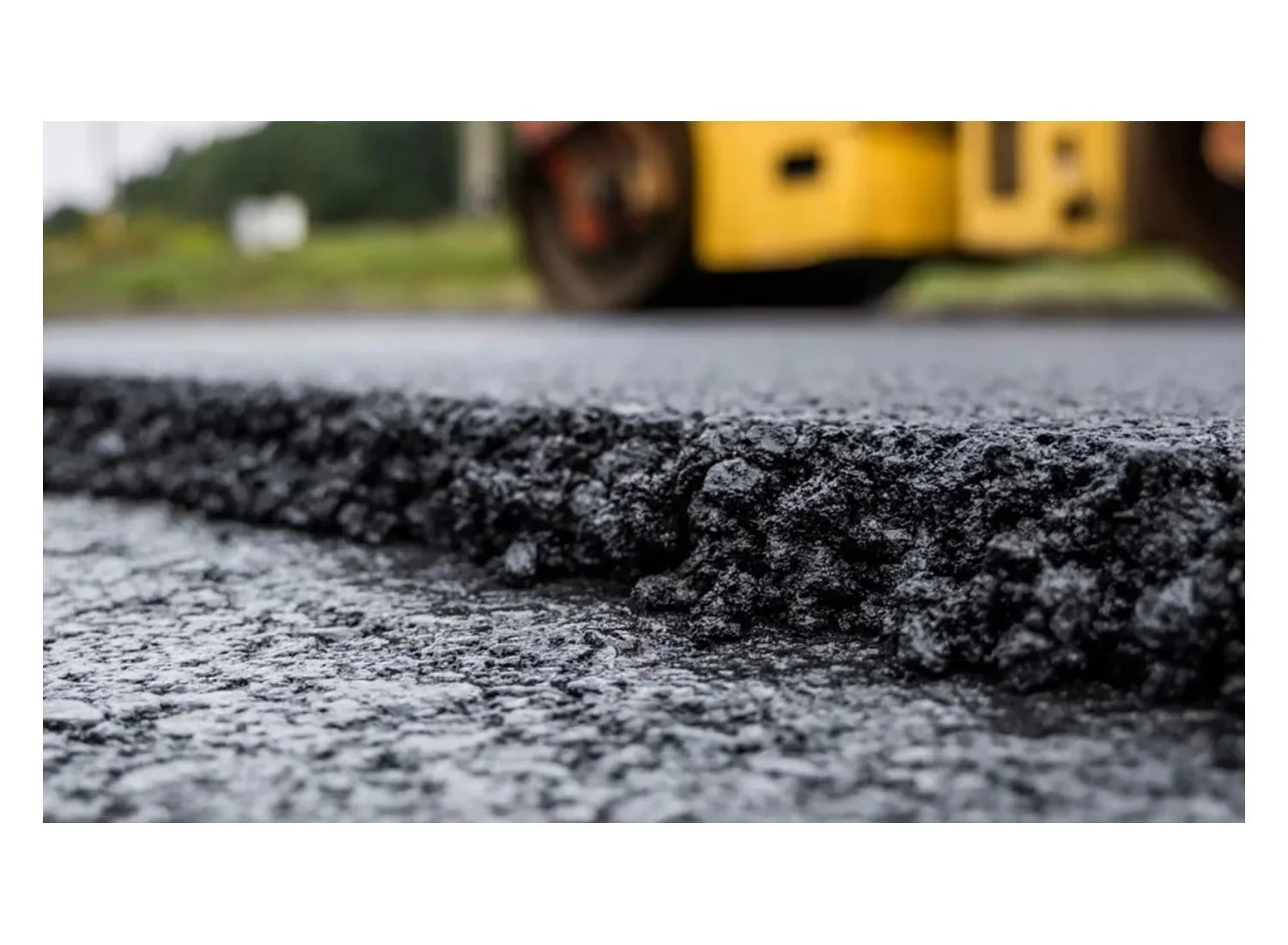
Asphalt components are mostly aggregate and bitumen
Firstly we should look at the aggregate because this will have a big influence on the resistance of the clamp floor to silage effluent. Limestone aggregate is chemically alkaline and silage effluent is an organic acid of varying strength. When the two get together they want a fight and at the end of a skirmish, they exchange some electrons and both come away a little happier a bit more neutral and a whole lot less aggressive. Whilst they are calmer, you will be fuming because the result of the electron exchange is a degraded silage clamp surface. By choosing a non calcareous aggregate, like granite, then you can significantly reduce this problem. Fillers might also be added to the mix too and for a silage clamp these also need to be materials that can withstand an acid attack rather than limestone dust.
The bitumen is the other big dog at the tarmac party. The bitumen has a huge influence on how the floor will perform and last and bitumens are very different depending on what the asphalt is going to be used for. If you want to order some asphalt you might be offered hot mixed, warm mixed or SMA but what the hell are these and what should you choose?
Hot or warm mixed asphalt for a silo base?
The difference between these two types of asphalt is quite simple, they kinda do what it says on the tin. Hot mixed asphalt is mixed at 150-175C whilst warm is mixed at 90-120C and this difference results in different slab performance. The hotter mixes have to be placed quickly to avoid them cooling below a workability temperature whilst warm mixes are more suitable to remote farm locations as they have a bigger working range. Contrary to what you might first think, warm mixes can also tolerate a wider working temperature range without breaking down.
Hot mix asphalt is more likely to be melting in the summer and becoming brittle in the winter than a warm mix. But don’t think cool is always best because cold mixed is unlikely to be any use when It comes to a silage clamp floor because this stuff is only really any good for patching.
What about SMA for silage clamp floors?
SMA or Stone Mastic Asphalt (sometimes referred to as stone matrix asphalt) is a more durable type of tarmac developed in the 1960’s. This type of asphalt uses specially graded aggregates to try and control the void sizes within the paving matrix. The idea is that the stone locks together in a matrix and the bitumen mastic sticks them all together and locks the matrix up. It’s a good system but it isn’t cheap because the mixing plant has to carefully screen all the aggregate before they can be used.
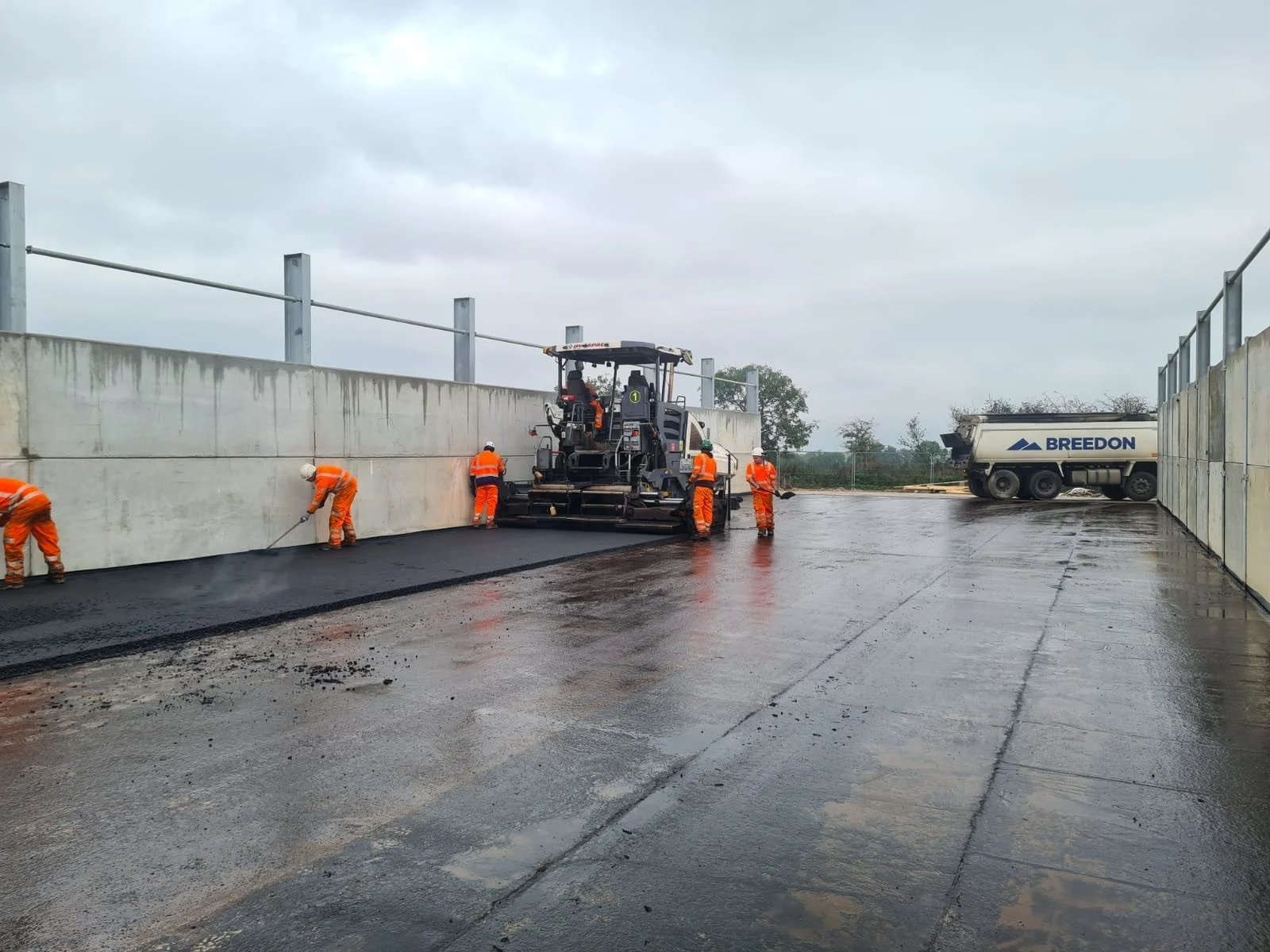
Silage asphalt is different to road surfacing
Different types of bitumen for silage clamps.
The bitumen that is used in a silage must be designed for this application or the floor just won’t last. There are several different types of bitumen but the one you are looking for is a polymer modified bitumen or PMB. The addition of polymers to bitumen makes it much more suitable for use in silage clamps. Firstly it makes the whole matrix much more resistant to acid than a standard bitumen asphalt, but there is more to it than this.
PMB that has been exposed to acids is much more resistant to mechanical damage than a standard bitumen slab exposed to the same conditions. This means there is much less chance of a fork tine gouging out a valley in a clamp floor that was made with PMB. This is because there are much higher bond strengths within polymer modified bitumens and these bonds are more resistant to acids so the polymer modified tarmac is “tougher”.
The temperature tolerance is also different for PMB asphalt too. If we look at the higher end, in one trial the standard bitumen asphalt has a softening point temperature of 48.2C whilst the PMB floor achieved 64.6C. Not only is that significantly higher (around a third better) than standard tarmac, it is at a temperature that we are unlikely to reach here in north west Europe, whilst the standard floor will probably get to the softening point temperature during many summers. This means you are far less likely to make ruts in a PMB asphalt silo floor.
This superior high temperature performance of PMB also holds true once exposed to acids, although to a slightly lesser extent. So PMB is better in warm conditions but what about the cold winters, does it break down then.
Do tarmac silage clamp floors go brittle in the cold?
Temperature affects almost every material and the brittleness tends to increase as the temperature falls irrespective of the material. Asphalt is no different but this change can be critical to ensuing your clamp floors last. Polymer modified bitumen also helps here too because it makes the floor less brittle than standard floors at moderately low temperatures like -12C and then it has a much bigger effect at lower temps like -18C. Here the brittleness is around half the value of a standard mix asphalt. Low temperatures and acids are a similar story with PMB out performing standard bitumen in all conditions.
Despite the “better” brittleness of PMB in low temperatures, there doesn’t seem to be much improvement in flex however. What this means in real terms is that a floor might fail if there is void below the asphalt in cold conditions. This makes it vital that the sub-base of your clamp needs to be correctly built up and compacted, with the asphalt then properly laid on top.
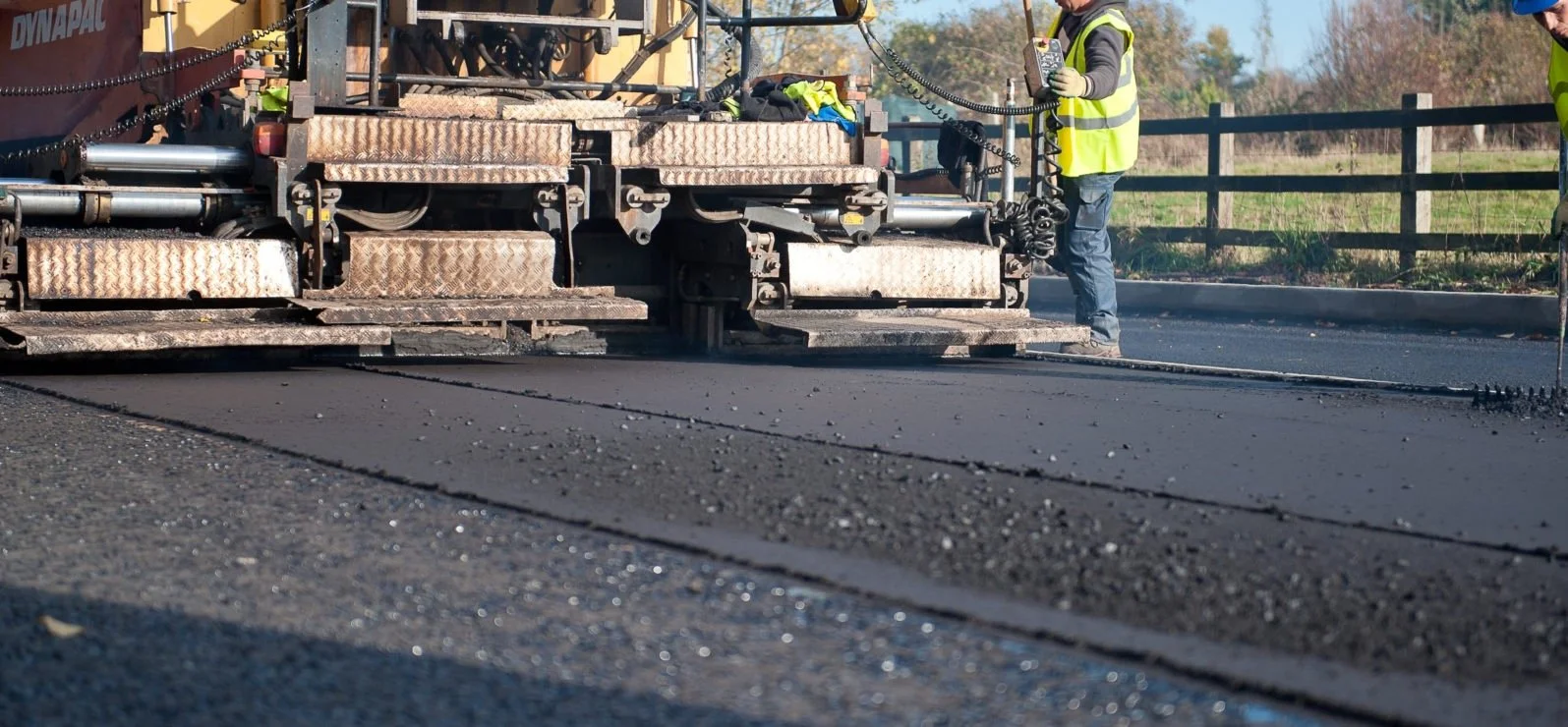
Why do tarmac clamp floors fail?
Heavily trafficked floors fail from either the wrong material being used or because it is badly (or poorly) placed. This holds just as true for floors made of concrete as it does for asphalt. In the past I think the industry has paid the price for not understanding how black stuff varies. A farmer would get a quote for proper agricultural asphalt from a paving contractor and then look for something cheaper. Then someone might quote a much cheaper price for the job using something that looks like the right tarmac but just isn’t.
And that’s part of the problem with asphalt, they all look the same. If the wrong stuff is used it won’t perform as you need. So if you are getting a quote, find out what material the contractor is using, get the performance guarantee from the mixing plant and check the tickets for every delivery to make sure that you are getting what to think you should be getting. Before you go ahead, you also need to know what the build up of the floor should be - but that’s a whole other story for another day.
If you want to discuss asphalt floors in a silage clamp or would like to discuss any other aspects covered in this series, contact me at jeremy@silageconsultant.co.uk