Getting silage clamp face progression right
Making silage is all about shiny expensive kit, big engines howling out hundreds of horsepower and young guns driving them like they stole ‘em isn’t it? Or is it all about beating the weather and getting the forage when it’s just right? Yes it’s all of those things but it’s also about taking a crop and storing it for later, without losing too much of the feed value. That’s the bit that pays the bills. And paying those bills is a whole load easier if you can control the losses, because the losses can be huge.
For silage made in a clamp, the number one aspect when it comes to controlling those losses is the feed face; the exposed silage that’s open to the air. The initial part of designing (or re-designing) a silage clamp is all about controlling this space.
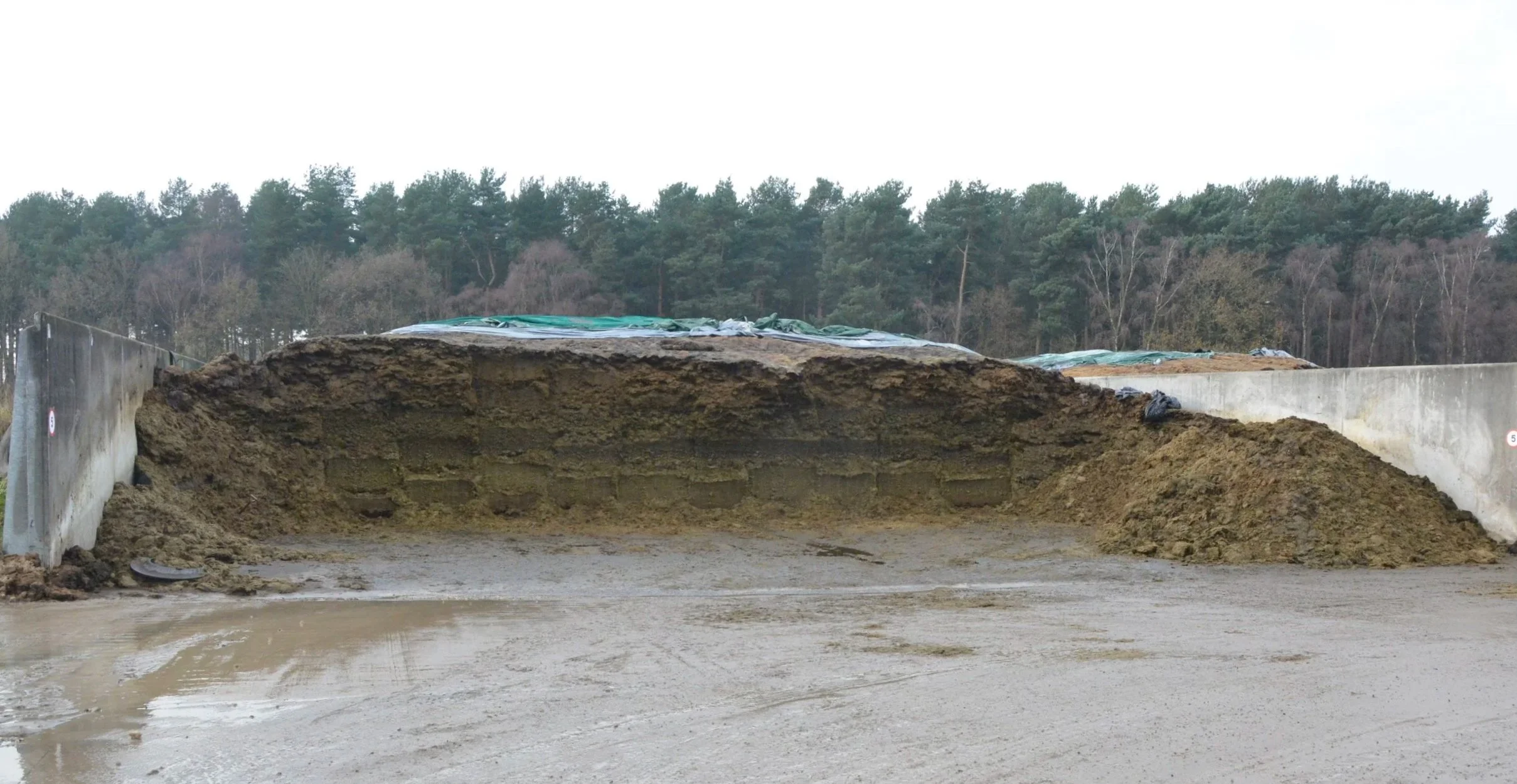
Controlling the silage clamp face is vital to reduce losses
Designing a clamp for optimal face progression
So it’s no real surprise that I have written about the face of the clamp before, but here I want to explore what the face progression is all about and how to choose the right rate for your clamp use.
The rate you use the silage will dictate just how fresh that silage remains and also how many of the nutrients will remain. As we all know, the nutrients preserved in the fermentation process have been safe and sound under the sheet for months but are now “at risk” because the dreaded oxygen has come back. This oxygen is needed by the unhelpful little microbes that have been patiently waiting their time during the “stable phase” of the silage. Now they can get to work burning up your silage to make some heat and CO2 and some ethanol too.
As they do this their population grows and grows and so the fuel burn up rate accelerates too. Left to do their worst, there won’t be anything left. So working through the silage quickly means it’s fed before the microbes have scoffed too much and there is some new silage on the face where the microbes are just coming to.
So why does the silage face progress matter?
The speed the silage face progresses is important because it is porous. This means that oxygen rich air can get past the first few millimetres and actually penetrate deeper into the silage, fuelling more of the unhelpful microbes and increasing nutrient losses. As the bacteria, yeasts and molds that are responsible for silage face losses are living things, their activity is closely related to their environment. Colder conditions mean reduced microbial activity so the warmer it is, the greater the risk of avoidable losses at your silage clamp face.
The 2m rule for silage face progress
Now the two metre rule was never really a 2m rule. It’s so old it predates the metric system in the UK and it was really the one foot rule - being 1 foot, (or 300mm in some parts of the world) per day. That was thought to be a good target (although few farmers actually achieved it) back in the day. That day was back when cows grazed outside in the summer and the winter was as cold as the Urals. Today many of the cows require silage all year round and climate change has altered our temperatures dramatically.
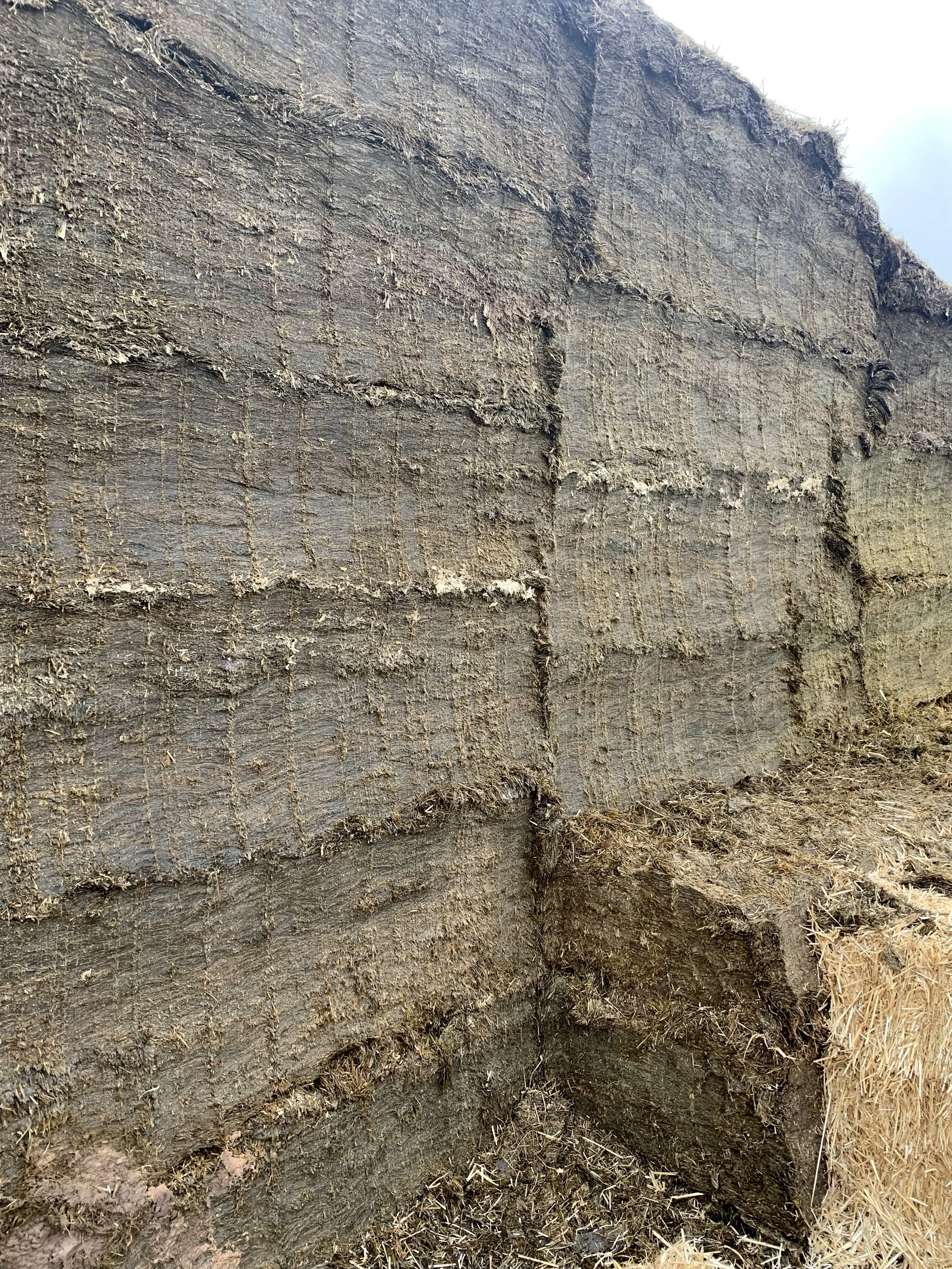
So I don’t think the 2m rule is fit for purpose any longer, but there is also much more to consider than just the temperature. I believe you need to consider a whole array of factors before you can decide what the optimal progress should be for your clamps.
What is the oxygen porosity of the silage face?
The rate that oxygen can penetrate into porous face of the silage is something that is almost impossible to measure accurately. It’s a figure that the industry could really benefit from knowing but in the absence of any actual data, we need to rate the risk of this porosity. The way I score this “risk” involves weighting the following factors:
Crop type
Maturity at harvest
Dry matter at harvest
Chop length
Harvest machinery (wagon or chopper)
Clamping machine weight
Layer thickness
Use of compactor (or train wheels)
Geographical location
Clamp face aspect
Feed out rate variations
Extraction equipment (shear grab or milling head)
Clamp exposure (outdoor or indoor)
That’s quite a list so what does it all mean and why so many factors?
Well you can really divide then into a few groups. The first group is the harvesting side (crop, chop length etc) and these dictate what sort of material the face is going to be made up from. Obviously high dry mater, late matured forage that’s chopped long will be hard to compact and consolidate. Secondly you need to consider how it actually is compacted so the weight and layer thickness etcetera are important here.
Then we need to think about what is going to be taking the silage out of the clamp because this can have a big impact on how “open” the face is, and finally what conditions is the clamp face exposed to. This final bit is also really important because the temperature of silage exposed to the sunlight is much higher than that in the shade.
Some of these things are easily altered, such and chop length or crop maturity. Other things like the machinery used to fill o empty the clamp are also likely to change in the longer term. But some aspects like the geographical location and clamp face aspect are kind of set in stone.
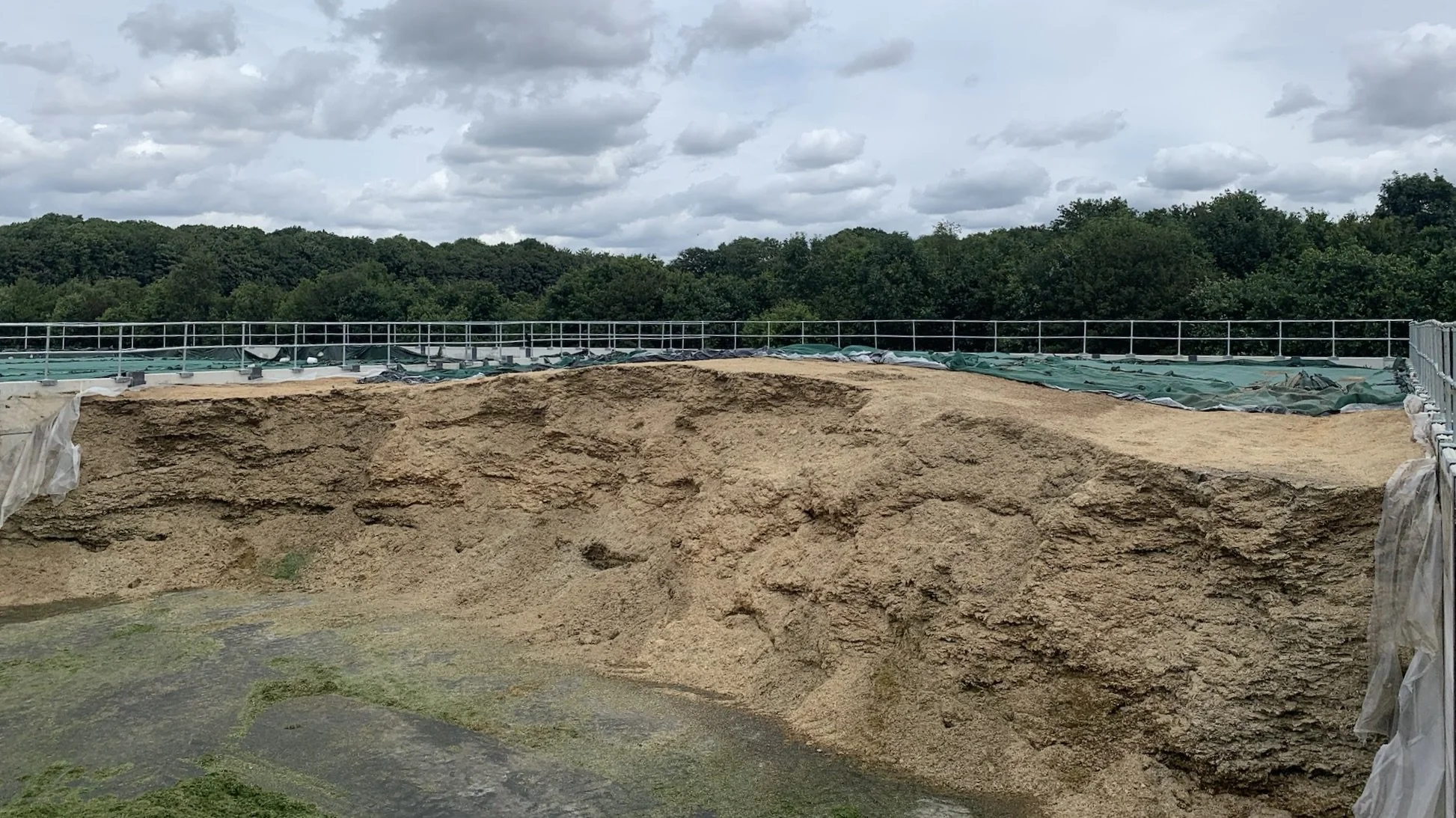
A clamp face that is too wide will increase losses
When considering the clamp face progress you need to be realistic about what you can actually achieve. It’s no good assuming that every year the silage is going to be perfect, you have to be realistic and try to design a clamp layout that accounts for the good and bad times alike.
So using all this data above, I then come up with a score for the site specific “risk” of oxygen permeability on each clamp. It is then possible to put that data into a “cost” analysis and predict what the financial cost might actually be. Once you have this figure, then you can start to measure what sort of payback you might get from amending your operation, or re-designing your storage facilities.
What can you do to improve silage face progress?
There are simple things like changing the length of chop that might not cost you anything but can have a huge benefit on controlling the porosity risk of the clamp face. Doing the difficult, or expensive stuff, like building a new dividing wall, is much more important to justify. When it comes to this aspect I recommend taking a range of outcomes, an optimistic and pessimistic view of the benefits. If the numbers still work in your favour on both outcomes, then it’s a good bet that reality won’t disappoint you.
And if you are starting from scratch and building a new clamp, or set of clamps, then I suggest you do the calculations very carefully and go over them again and again. Of course I would also recommend you consult a consultant too because if nothing else, another experienced pair of eyes looking over your plans can pay huge dividends.
If you want to discuss how to reduce the silage losses in existing or new clamps or would like to discuss any other aspects covered in this series, contact me at jeremy@silageconsultant.co.uk